
Antioxidants in cosmetic products help the skin to defend itself against cell damage, i.e. the free radicals that cause it. Although free radicals occur quite naturally in the human body, there are everyday triggers that promote their faster action. These are an unhealthy lifestyle, too frequent exposure to the sun, and exposure to polluted air. The skin's ability to defend itself against the influence of external factors decreases with the natural aging process. At the right time, that's why we bring you a list of antioxidants to introduce you to them, as well as the ways in which they help the skin.
The skin (simply) loves vitamins
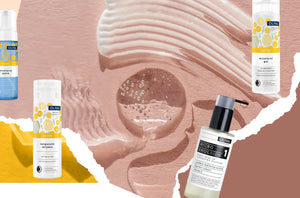
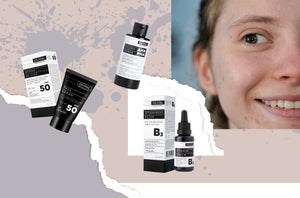
Just as our body needs a diet full of different vitamins, the skin cannot get enough of them either. Each of them has a different effect and in its own way helps to achieve a healthy and radiant appearance of the skin. Vitamin E is known for its ability to help regenerate the skin after photodamage , and it also helps improve the effectiveness of other antioxidants, so it is often found in combination with vitamin C and resveratrol. [1] We included it right at the beginning of Professional care, in Microemulsion , in order to give the skin, in addition to gentle cleansing, an addition of much-needed vitamins and help it defend against external elements.

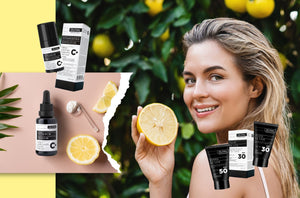
One of the most popular vitamins, known for its ability to lighten hyperpigmentation spots, is vitamin C. [2] You will find its derivative - ethylated ascorbic acid in Vitamin Serum C+ . We chose it because it is much gentler on the skin and the potential for irritation is much lower compared to products with L-ascorbic acid. It can also be combined with niacinamide!
Niacinamide , or vitamin B3 , is the last vitamin that we included in our Professional collection. This vitamin will even out the complexion and texture of the skin, reduce the appearance of acne scars and regulate sebum secretion. It also has an excellent effect on strengthening the barrier function, helps to keep the skin hydrated... A true multi-tasker!

An antioxidant that the skin is just discovering
On the other hand, some antioxidants have been present in nutrition and supplementation for a long time, and are just finding their place in cosmetics. One of them is astaxanthin. It is a pigment that occurs in nature in plants and microalgae, and belongs to the group of carotenoids. This is why it is characterized by a rich and luxurious orange color! It has an exceptional effect against photoaging and in the prevention of hyperpigmentation, as well as the formation of the first wrinkles.
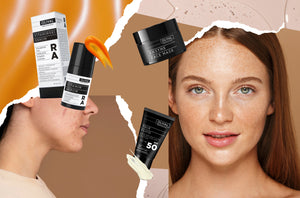
In the Vitamin Serum RA , it was pioneered in skin care. It plays a key role in renewal, and together with retinaldehyde reduces the impact of free radicals on the skin. In addition to inhibiting the production of melanin, astaxanthin will help the skin maintain much-needed moisture.
They reduce moisture loss, prevent UV damage...
The antioxidant effect will alleviate the consequences of oxidative stress, i.e. antioxidants will provide the skin with better protection, provide it with hydration and reduce the possibility of transepidermal moisture loss, better known as TEWL . Topical application, in contrast to oral intake of antioxidants, allows tissue access to higher concentrations of these ingredients and reduces the possibility of side effects compared to other organs in the body. [3]
In addition to all that antioxidants provide, you should know how by adding them to your routine, as well as by introducing sun protection cream, you can fundamentally transform your skin - make it fresher, smoother and firmer.
----------------
[1] Jens J. Thiele, SwarnaEkanayake-Mudiyanselage, Vitamin E in human skin: Organ-specific physiology and considerations for its use in dermatology, https://www.sciencedirect.com/science/article/abs/pii/ accessed 20.1. .2022.
[2] Hira Khan, Naveed Akhtar, Haji M Shoaib Khan, Atif Iqbal Arshad, Muhammad Naeem, Muhammad Sohail , Atif Ali, Fatima Rasool, Zarqa Nawaz, Synergistic effects of ascorbyl palmitate and sodium ascorbyl phosphate loaded in multiple emulsions on facial skin melanin and erythema content. https://www.researchgate.net/profile/ visited 20.1.2022.
[3] Roger L. McMullen, Ph.D., Delivery Systems for Antioxidants https://nyscc.org/blog/delivery-systems-for-antioxidants/ accessed 1/20/2022.